Overbites: causes, concerns and corrections
Smile White
If you’ve ever noticed your top teeth sitting in front of your bottom teeth, you’re not imagining it. That’s an overbite, and it’s one of the most common dental conditions worldwide.
For some, it’s barely noticeable. For others, it can impact their dental health, the way they eat, their confidence and how they show up in the world. This blog explains what overbites are, what causes them and what treatment options are available today.
What does an overbite look like?
Simply put, an overbite is when the top front teeth overlap the lower teeth. Almost everyone has one. In fact, a normal overbite of a few millimeters is considered healthy. It’s only if the overlap is more pronounced on their side profiles, think receding/recessed chin, that problems may arise.
A severe overbite can do more than change your smile. It can put pressure on the jaw, wear down enamel and make chewing more difficult. In some cases, an overbite can cause headaches (from an overworked jaw) and chipped teeth. This is why overbite correction isn’t just about a self-confidence boost, it’s about protecting your smile and improving quality of daily life.
What causes an overbite?
Overbites have multiple causes, ranging from genetics to daily habits formed way back in early childhood.
- Inherited traits: Jaw size, shape and position passed down through family genes make an impact.
- Childhood behaviours: Thumb-sucking, dummy use or nail biting can all push teeth forward while teeth are still developing.
- Jaw growth: When one jaw grows faster than the other, this can massively affect your bite.
- Tooth position: Crowding, gaps or missing teeth can exaggerate the overlap.
How to know if you have an overbite
It’s easy to confuse an overbite with other bite misalignments. For instance, an overjet is when the upper teeth protrude forwards, while an underbite is when the lower jaw extends past the upper. Every bite issue is different and needs its own approach to treatment.
Understanding where your bite sits on the scale, from a severe overbite to a mild overjet, is the first step in knowing whether you need overbite treatment.
Overbite vs underbite
Visually, very similar. But they look very different in a profile view. An overbite creates the impression of a receding chin, while an underbite results in a more prominent lower jaw. Treatments also differ. Overbites are usually corrected with braces or clear aligners, while underbites often need more extensive orthodontics, such as surgery.
Overbite vs overjet
Though often confused, an overbite is vertical overlapping and an overjet is horizontal; how far the top teeth stick out in front of the bottom ones. It’s possible to have an overbite and an overjet at the same time, and they can cause similar issues (speech issues, for one). While braces can address both, dentists plan their treatment depending on whether the primary concern is vertical or horizontal.
Overbite vs normal
A slight overbite is normal, more than normal. It’s actually healthy! Your top teeth should overlap your bottom teeth by around 2-4mm to protect against general wear and make chewing more efficient. An overbite isn’t considered normal when the overlap is greater than this, also known as a deep overbite.
How to fix an overbite
The most common question when it comes to overbites, but the answer depends on your age, severity and cause.
Braces and invisible aligners
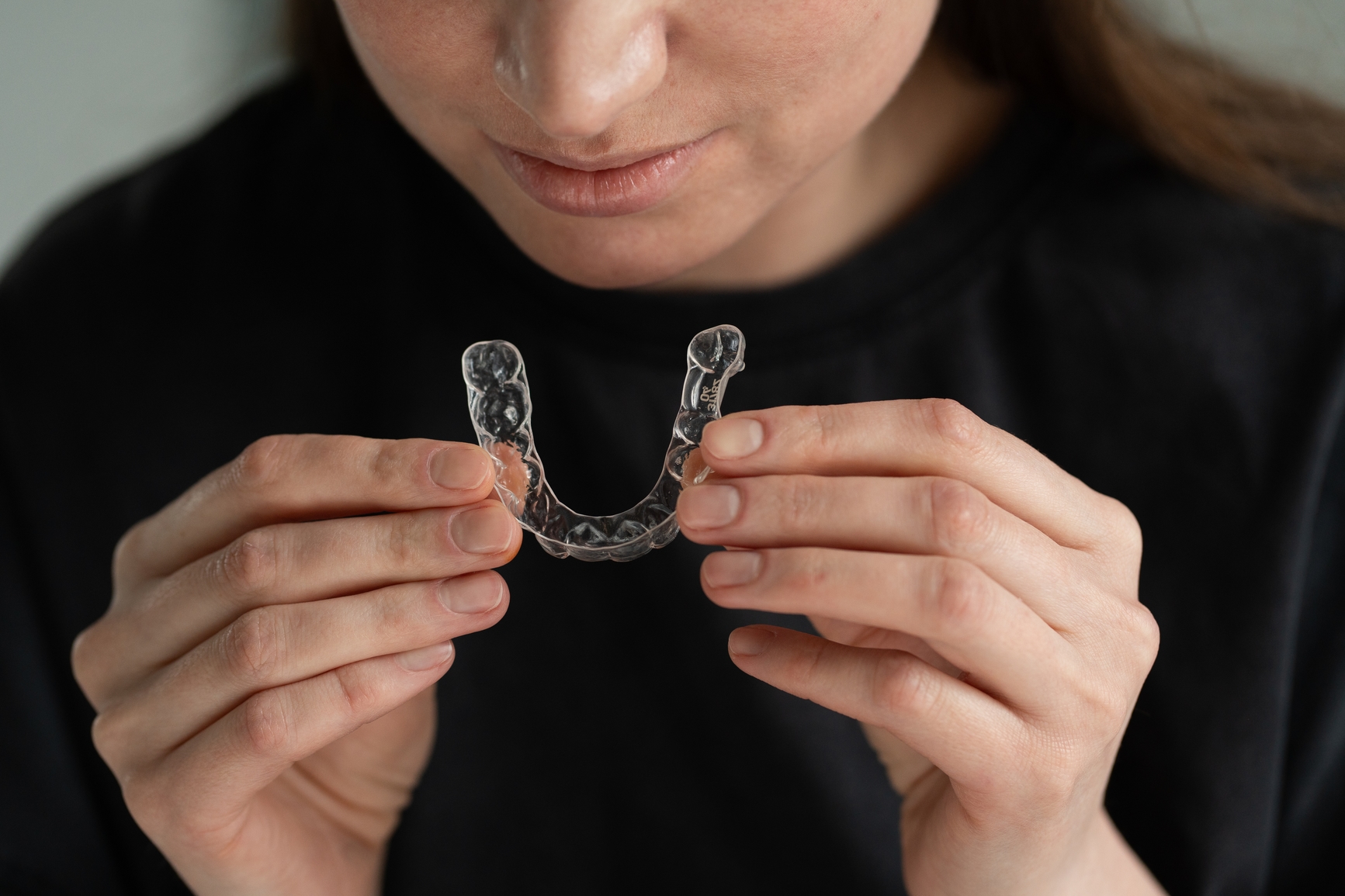
For the majority of overbite issues, braces or invisible aligners are the main solution. They gradually shift teeth into position, sometimes with elastic bands to help guide the jaw. The overbite before and afters speak for themselves! You can see significant changes in the receding chin and the more confident smile.
Cosmetic dentistry
Composite bonding can improve the shape of your teeth, but it doesn’t change the bite itself. This is a fast cosmetic option, rather than a corrective one. Suitable for very mild overbites with slightly uneven edged teeth.
Jaw surgery
A severe overbite can be caused by the underlying bone structure, not just the teeth. Jaw surgery for overbite correction may be necessary if orthodontics alone can’t solve it. This is usually a last-resort for adults who are out of other overbite treatment options.
Natural fixes
You’ve probably heard of mewing from socials with videos of chisel-jawed influencers circulating. It’s when you reposition your tongue to the roof of your mouth to influence your jaw shape. While useful for looking snatched on socials, it doesn’t usually correct overbites. Professional orthodontic treatments are still the most reliable option.
Is it normal to have an overbite?
An overbite is not unusual, and in many cases, nothing to worry about. When it starts to affect your health or self-confidence, overbite treatments are available. Overbites are common, but they don’t have to be permanent. Modern orthodontics, from overbite braces to jaw surgery are highly effective at improving both your comfort and confidence, while protecting your dental health.