What really happens when you don’t brush your teeth
Smile White
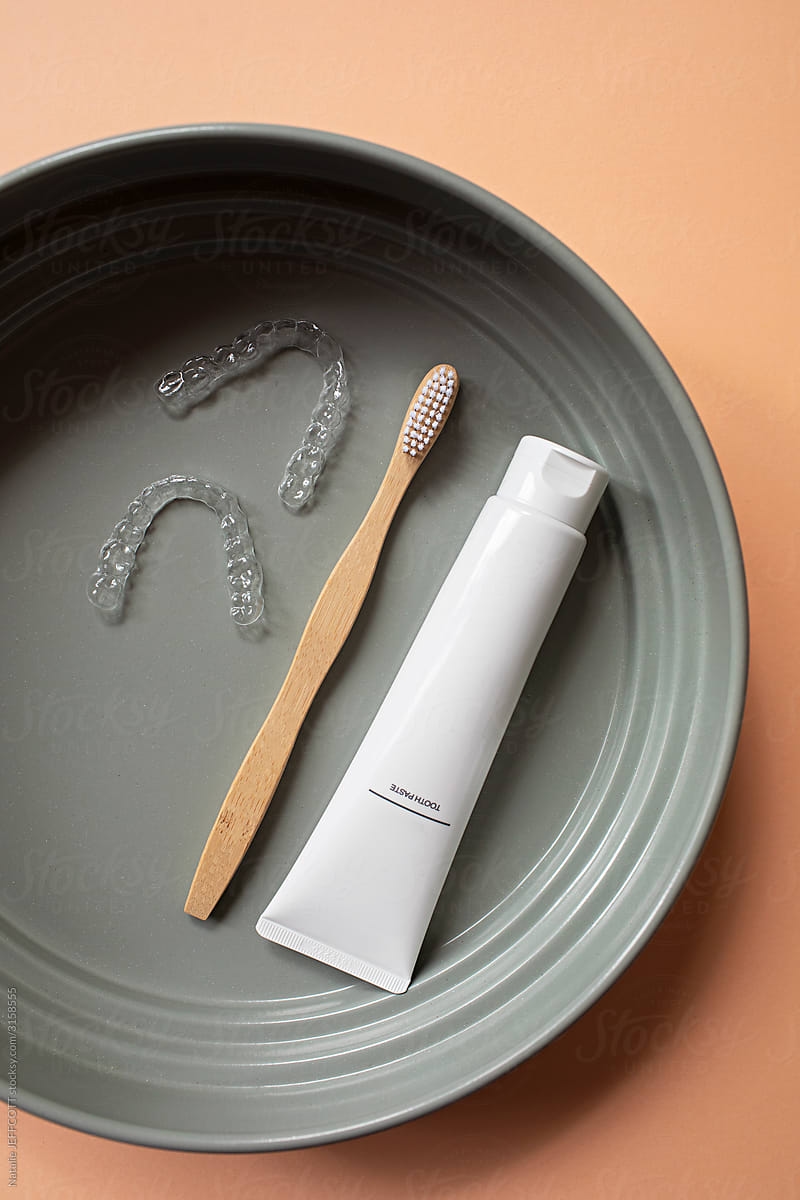
You know that feeling when your head hits the pillow but you’ve forgotten to do your teeth, and that little voice says, ‘one night won’t hurt…’ We want to know – can I really skip brushing my teeth without causing irreversible damage?
Because here’s the thing, brushing isn’t just about fresh breath and getting spinach out your teeth. It’s the front line of defence against gingivitis, receding gums and a long list of issues that can turn your confident smile into a real pain. This article is your no-nonsense guide to keeping your gums healthy, teeth strong and settling things once and for all about how we take care of our smiles.
What happens if you don’t brush your teeth?
When plaque isn’t removed with regular brushing, it hardens into tartar which irritates and inflames gums. Next thing you know, you’ve got gingivitis and your gums are receding, your enamel is wearing away and eventually you’ll start losing teeth. It starts with a bit of bleeding when you brush or just a tenderness along your gums, but if left untreated, it can get so much worse.
But don’t stress – there’s an easy way to prevent poor oral hygiene and that is brushing twice a day! And yes, toothpaste is necessary for keeping gingivitis at bay. Studies have shown that using a fluoride toothpaste can prevent and control dental caries when used twice a day (caries is the technical term for tooth decay by the way!). Fluoride can be a controversial topic in some circles, but as long as you use a small amount of 1,000 ppm fluoride with every brush, you’ll be more protected than without.
Can you skip brushing your teeth for one night?
We all have those nights, the ones where your pillow looks more inviting than your toothbrush. One night away from the toothpaste won’t destroy your smile, but regular neglect adds up fast. Plaque starts forming within hours, so after even 24 hours, it can harden into tartar that brushing may not be able to shift.
If you skip brushing your teeth more than one night after another, your gums could get inflamed and recede – which can lead to tooth decay! But take comfort in the fact that no matter how long it’s been, you can always start fresh. A solid teeth cleaning routine at home (as well as a frequent deep clean at your dentist every six months) can help reverse early damage done by hitting snooze on your toothbrush.
How long and how often should you brush?
There’s a reason dentists talk about the two-minute rule. Two minutes, twice a day – that’s the sweet spot. It’s enough to remove plaque but gentle enough to protect your gums. Most electric toothbrushes come with a 2-minute timer included, so no stress about setting your own timers.
Is brushing your teeth 3 times a day bad?
It’s not bad, but brushing three times a day isn’t necessarily better either. If you’ve had a sugary lunch, it might be worth taking a midday brush. Plaque forms when the bacteria in your mouth consume sugars on your teeth – and that’s what we want to remove so we stay cavity-free!
How do you know if you’re overbrushing?
On the flipside, overbrushing can be an issue for your teeth too. If your gums bleed every time you brush, that’s your mouth waving a red flag. Your goal here is to massage downwards, not scrape side to side. And if you have a smart toothbrush that flashes when you’re pressing too hard, listen to it! Remember, consistency beats intensity every time.
Do you brush teeth before or after breakfast?
Let’s settle the ultimate morning debate: to brush before breakie or not to. For dentists, they lean firmly toward before. Here’s why. Brushing first thing in the morning clears away bacteria that’ve multiplied overnight, creating a protective barrier for your enamel before your morning coffee or orange juice hits.
Brushing straight after eating, especially acidic foods, can actually wear down your enamel while it’s soft. If you really can’t stand the idea of post-food breath, rinse your mouth with water, chew some sugar-free gum and wait 30 minutes before brushing or rinsing with mouthwash. Your enamel will thank you.
Should you rinse after brushing your teeth?
Mouthwash isn’t magic – but if used correctly, it’s a smart player in the game of healthy teeth. According to the experts, the best time to use mouthwash is when you haven’t just brushed your teeth. Just spit out any excess toothpaste and slowly back away from the sink. Rinsing dilutes and reduces the efficacy of any remaining fluoride toothpaste on your enamel. And P.S. don’t forget to floss.
The bottom line is that gingivitis prevention isn’t complicated – it’s a consistent commitment for healthy teeth. Brush twice a day for two minutes with a standard fluoride toothpaste, don’t rinse afterwards, and always brush your teeth before breakfast. Make sure you floss daily, use mouthwash 30 minutes after your lunch and see your dentist every month for a good deep clean.
If you’re already noticing gum bleeding or tenderness, early gingivitis treatment can stop it in its tracks.
But at the end of the day, it’s okay if you skip it once for some extra z’s.
